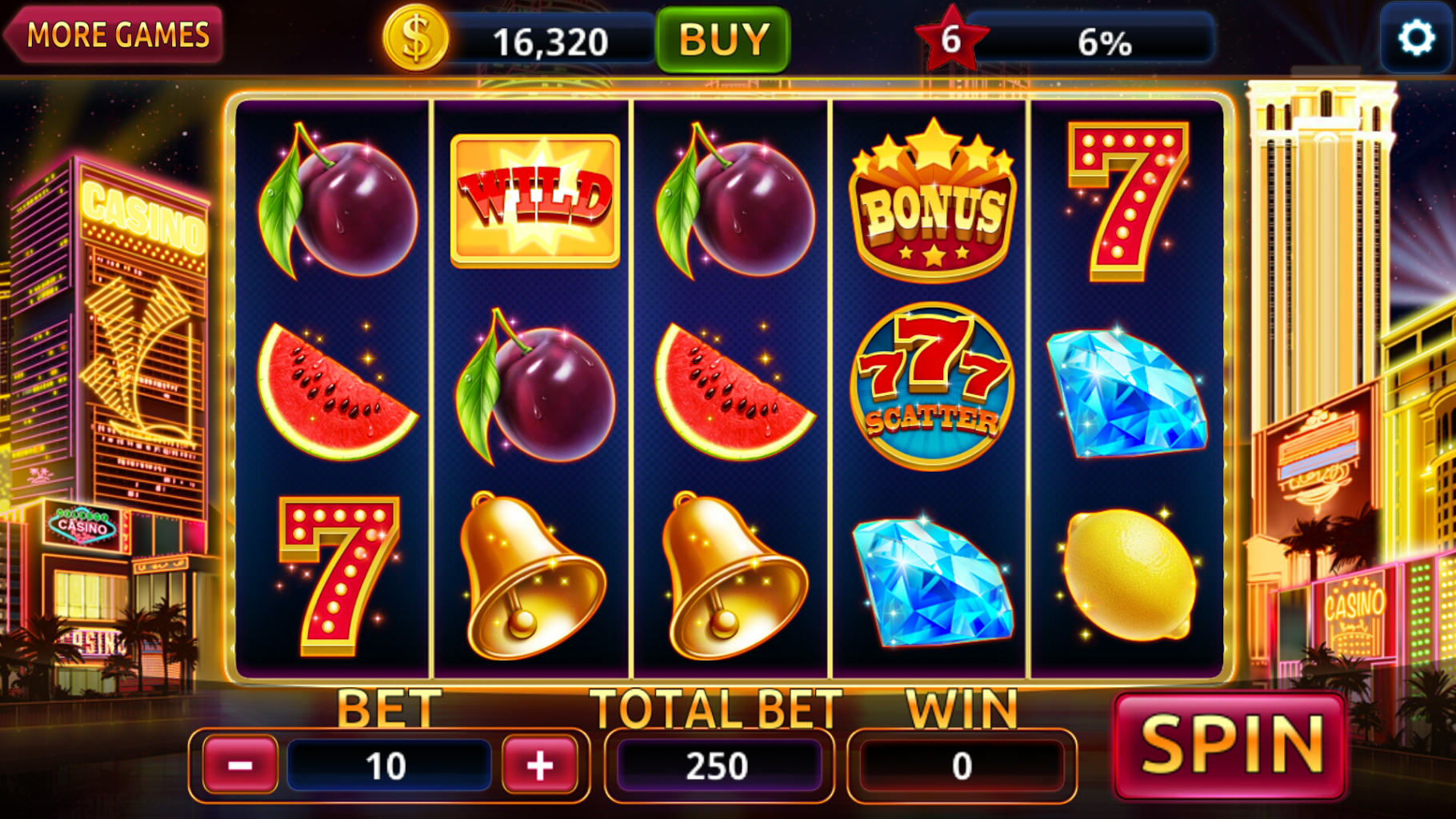
Non gamstop slots sit at the intersection of accessibility and risk in the online gambling landscape. For players who want to access a wider range of titles or who live outside strict self-exclusion networks, these games are often presented as alternatives to mainstream UK-friendly sites. This article explains what non gamstop slots are, how they operate, and the practical considerations you should weigh before you place a bet. You will learn how game providers deliver slots to offshore platforms, what to expect from RTP and volatility, how bonuses and wagering work, and how licensing and compliance shape your protection and withdrawal options. By understanding the mechanics behind non gamstop slots, you can make informed choices that balance entertainment with responsible gambling. The aim is not to promote risky behavior but to equip players with clear criteria to assess operators, understand the banking processes, and avoid common pitfalls such as overly aggressive bonuses, hidden fees, or weak verification practices. Throughout, we’ll emphasize practical steps you can take to verify a platform’s legitimacy, protect your funds, and recognise warning signs of poor operator practices. Whether you are a casual player exploring flashy themes or a serious slots enthusiast who values payout structure, the non gamstop space demands careful scrutiny. The guidance here focuses on what truly matters to a safe, enjoyable experience: licensing and jurisdiction, transparency of terms, reliable payment rails, and tools that help you manage risk. By the end, you’ll have a clear framework for evaluating any non gamstop slot site before you sign up or make a deposit.
What non Gamstop slots are and who offers them
Non gamstop slots refer to online slot games hosted on platforms that are not linked to the UK’s self‑exclusion scheme. In practice, this means offshore operators that hold licenses from jurisdictions outside the UK or Europe, and occasionally sites that operate under less restrictive regulatory frameworks. For players, the experience can feel similar to playing slots on mainstream sites, but the governing rules, player protections, and enforcement mechanisms can differ significantly. The way these slots are offered is typical of online gambling ecosystems: a casino operator licenses content from game developers, who supply a library of slots, and then host those games on their own platforms or white‑label solutions. If a site isn’t on Gamstop, it does not automatically mean it is illegal or unregulated; it often means the operator falls outside the UK’s mandatory self‑exclusion network. The practical implication for players is that you may encounter different withdrawal rules, verification requirements, and dispute resolution processes. It also means you should pay special attention to licensing, regional consumer protections, and the reputation of the operator.
From a product perspective, non gamstop slots still rely on the same core mechanics as other online slots: spinning reels, paylines, special symbols, and bonus rounds. The primary difference lies in the operator’s regulatory position and the audience they target. Some players are drawn to a wider variety of game themes, faster turnover, or promotional terms not commonly seen on UK‑regulated sites. However, this variety often comes with trade‑offs: more complex wagering rules, less transparent terms, or stricter withdrawal conditions. Understanding who is hosting the game, under what license, and what level of consumer protection applies helps you decide if a particular non gamstop casino is a prudent place to play.
How the games work in non Gamstop environments
Slots on non gamstop platforms work through a standard iGaming architecture, but with jurisdictional differences in licensing, compliance, and dispute resolution. A game developer creates the slot, including the math model, volatility profile, payout structure, and bonus features. The casino operator then integrates the game into its lobby and sets rules for wagering, bonuses, and cashouts. The mathematical model behind every slot is defined by the return to player (RTP) percentage, which represents the theoretical long‑term payout across a very large number of spins. Importantly, RTP is not a guarantee for any single session or a fixed number of spins. In non gamstop environments, the displayed RTP should reflect the license’s standards and the developer’s specification, but players should always confirm whether the site uses standard RTP values publicly or applies any regional adjustments.
Another key factor is volatility, which describes how often a game pays and how large those pays tend to be. A low‑volatility slot tends to deliver frequent, smaller wins; high‑volatility titles pay less often but can yield bigger prizes. In practice, this means your bankroll swings and session length can vary considerably depending on the game’s variance, your bet size, and your luck. Because non gamstop platforms may emphasize different game categories or provider partnerships, the mix of low, medium, and high volatility slots can differ from what UK‑licensed sites offer. Players should assess their own risk tolerance and align bets with expected volatility, rather than chasing unrealistically large payouts from a single session.
RTP, volatility, and the player experience
RTP is a theoretical measure expressing the share of wagers a game is expected to pay back to players over the long term. It is calculated across a very large number of rounds, not a guarantee for any individual session. When you encounter a non gamstop slot, you should look for the published RTP in the game’s information panel and cross‑check it with the operator’s terms. Beyond RTP, volatility or variance describes the speed and size of winnings. High volatility games can deliver dramatic payoffs but require a larger bankroll and longer play sessions to realize returns, whereas low volatility titles provide more frequent, smaller wins that help sustain play. In non gamstop contexts, players should observe how their bankroll grows or drains across sessions, how often bonus features trigger, and how hit frequency interacts with bet sizing. A practical approach is to simulate a few hundred spins at a representative bet level to gauge whether the volatility matches your expectations, rather than relying on sensational promotional claims.
Understanding payout structures also means recognizing game features that affect returns, such as cascading reels, expanding wilds, multipliers, and bonus rounds. These features can amplify volatility or create multiple opportunities to win within a single spin. For players with tighter budgets, identifying slots with smoother payout patterns and clear bonus mechanics can help manage risk. Overall, the RTP and volatility framework remains the same, but the available library on non gamstop sites can differ, which makes careful selection more important for a consistent playing experience.
Bonus mechanics and wagering rules
Bonuses are a central part of the online slots experience, and non gamstop operators often present offers that differ from UK‑regulated sites. When evaluating a bonus, focus on the core terms that determine whether a promotion is fair and usable. Key elements include the wagering requirements, eligible games, and game contribution percentages. Wagering requirements specify how many times you must wager the bonus amount (and sometimes your deposited funds) before you can request a withdrawal. Game contribution shows how much each game contributes toward meeting those requirements; slots typically contribute a portion, but some games may be excluded or capped. Bonus expiration dates set a deadline to meet wagering targets, which affects how you manage your balance and sample different games. Maximum bet restrictions limit how much you can wager with bonus funds per spin, which can dramatically affect how quickly you work through a promotion.
In non gamstop environments, promotional terms can be more aggressive or permissive, but they also carry the risk of hidden fees, restricted payment methods, or withdrawal limits. Some operators impose minimum deposits, exclude popular game titles from contributing fully, or require source of funds checks that slow withdrawals. A prudent approach is to read the full terms before opting in, plan a realistic wagering plan, and avoid promotions that require you to fund multiple accounts or use unusual payment methods. Remember that no‑deposit bonuses, free spins, or matched deposits still follow the same fundamental rules: contributions, wagering, eligibility, and cashout constraints all apply.
Payments, deposits, and withdrawals on offshore platforms
Banking on non gamstop slots often involves a broader palette of payment methods. In addition to traditional cards and bank transfers, many offshore platforms accept e‑wallets and cryptocurrencies, offering faster settlement and potentially different fee structures. When choosing a payment method, consider processing times, fees, withdrawal limits, and whether the method is traceable for your records. Instant or near‑instant deposits can be convenient, but they may also carry higher fees or fewer protections than slower, standard options. Be aware that some jurisdictions impose limits or require additional documentation for large transactions, which can affect withdrawals.
KYC and AML procedures are common across reputable operators, and they may begin during the sign‑up process or when you attempt a withdrawal. Verification often includes confirming identity, residence, and the source of funds. Additional checks can occur if there are unusually large transactions or patterns that trigger risk alerts. While verification can feel burdensome, it is a standard safeguard designed to protect you and the operator from fraud and money laundering. If you encounter frequent verification hurdles, contact customer support for a clear explanation and a timeline for resolution. Responsible operators will provide transparent timelines and reasonable documentation requirements.
Licensing, regulation, and safety
Licensing is the cornerstone of player protection. UK players typically favor operators regulated by the UK Gambling Commission, which imposes stringent standards for fairness, advertising, consumer protection, and dispute resolution. Non gamstop slots, however, are frequently hosted by operators licensed in other jurisdictions. These licenses can vary widely in terms of consumer protections, data privacy standards, and dispute resolution mechanisms. When evaluating an offshore operator, look for a reputable licensing authority, clear terms and conditions, and a published policy on data security and complaint handling. You should also verify that the site uses industry‑standard encryption for data transmission and secure storage for player funds. The absence of a recognized license should raise serious concerns about reliability and recourse options in the event of a problem.
Regulatory alignment matters, not just the label on the license. A well‑regarded operator will publish comprehensive terms, maintain segregated client funds, and provide transparent withdrawal timelines. It will also adhere to local advertising rules and provide responsible gambling tools, such as time limits, spend caps, and self‑exclusion options. While non gamstop sites may deliver a broad selection of games and promotions, you should weigh this against the level of regulatory scrutiny and the enforceability of consumer protections in your region.
KYC, AML, and verification in offshore slots sites
Know Your Customer (KYC) and Anti‑Money Laundering (AML) checks are essential safeguards for the gambling ecosystem. Operators may request verification at signup or when you reach certain transaction thresholds. Typical checks include identity validation, address confirmation, and sometimes proof of funding. In non gamstop slots environments, verification processes can be more variable, with some operators adopting lighter touch approaches while others implement stricter controls. It is important to understand that timely verification benefits both parties: it allows faster deposits and withdrawals and reduces the risk of fraudulent activity. If an operator delays verification without providing a clear reason or timeline, contact support and request a status update. Proactive operators often offer a straightforward checklist and a dedicated portal for document submission.
Always ensure you use secure channels to provide free spins no deposit not on gamstop sensitive information and beware of phishing attempts that mimic customer support communications. A legitimate operator will direct you to official contact points and never ask for passwords or full card details via email or chat. Responsible operators also publish information on data protection and privacy, helping you gauge how your information is stored and used.
No‑KYC and high‑risk operators: what to watch for
Some offshore platforms advertise lighter KYC requirements or no verification for small deposits. While this can be appealing for players seeking speed and anonymity, it introduces higher risks. No‑KYC models can attract fraud, chargebacks, or unverified withdrawals, and they may lack robust dispute resolution. If a site touts “no verification ever” or pressures you to provide unverified payment methods, treat it as a red flag. Always prefer operators with transparent verification policies, clear user terms, and accessible customer support. A prudent rule is to conduct an initial, modest deposit with a plan to complete verification within a short window, then reassess the site’s trustworthiness based on the verification experience and any subsequent compliance prompts. Responsible gambling should still be possible even on non gamstop platforms, with tools to set limits and monitor activity.
Practical criteria for choosing a non Gamstop operator
Selecting a non gamstop slot site involves a structured assessment rather than a pinch of luck. Use this practical checklist to compare operators and avoid common traps:
- Identify the licensing authority and understand what consumer protections it provides.
- Read the terms, withdrawal policies, and bonus rules before signing up.
- Look for independent game testing, and published RTP ranges where possible.
- Confirm supported methods, processing times, and any fees for deposits or withdrawals.
- Check for reasonable verification timelines and clear documentation requirements.
- Ensure there is a clear path to resolve issues, with accessible customer support and escalation channels.
- Verify the availability of limits, reality checks, and self‑exclusion options within and across devices.
- Confirm encryption standards, data protection policy, and safe handling of funds.
- Seek player reviews, independent reviews, and any history of regulatory action or complaints.
By using these criteria, you can contrast several operators and choose a platform that aligns with your preferences for game variety, pace, and risk management while keeping a focus on safety and legitimate protections.